Abstract
2020 Feb 13.
Authors: Yutaka Inoue, Kenji Yamagata, Masatoshi Nakamura, Kayoko Ohnishi, Keiji Tabuchi, Hiroki Bukawa
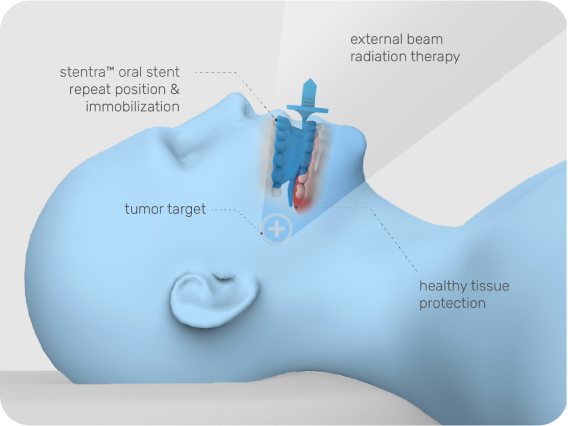
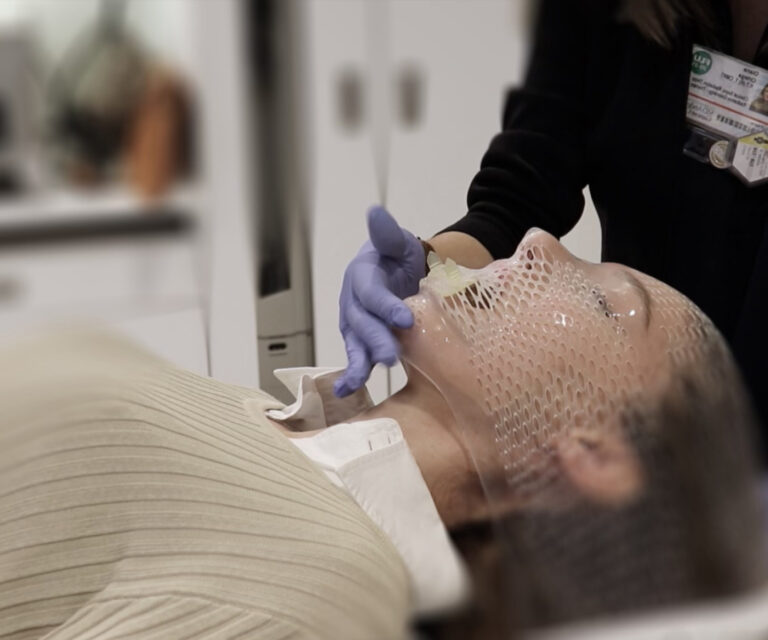
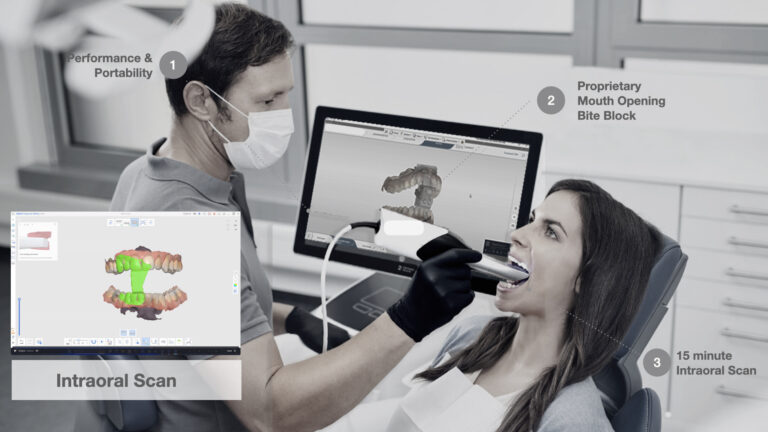
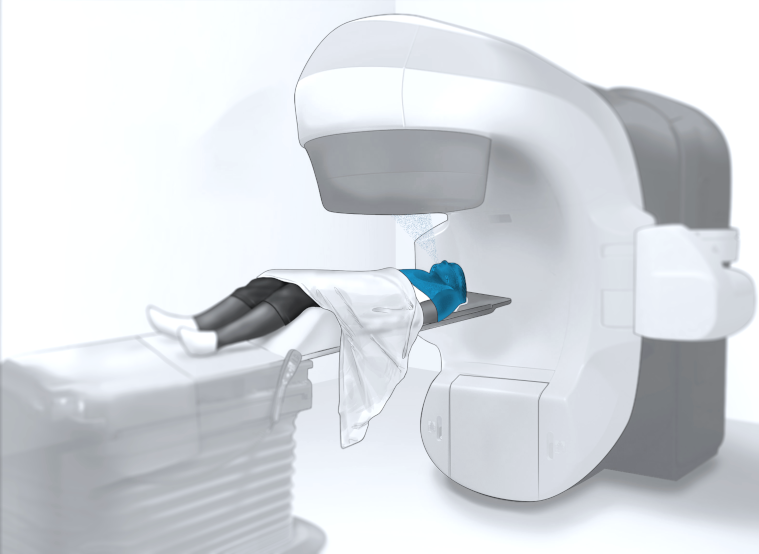
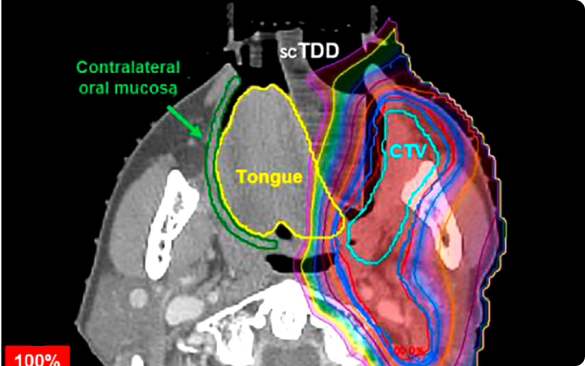
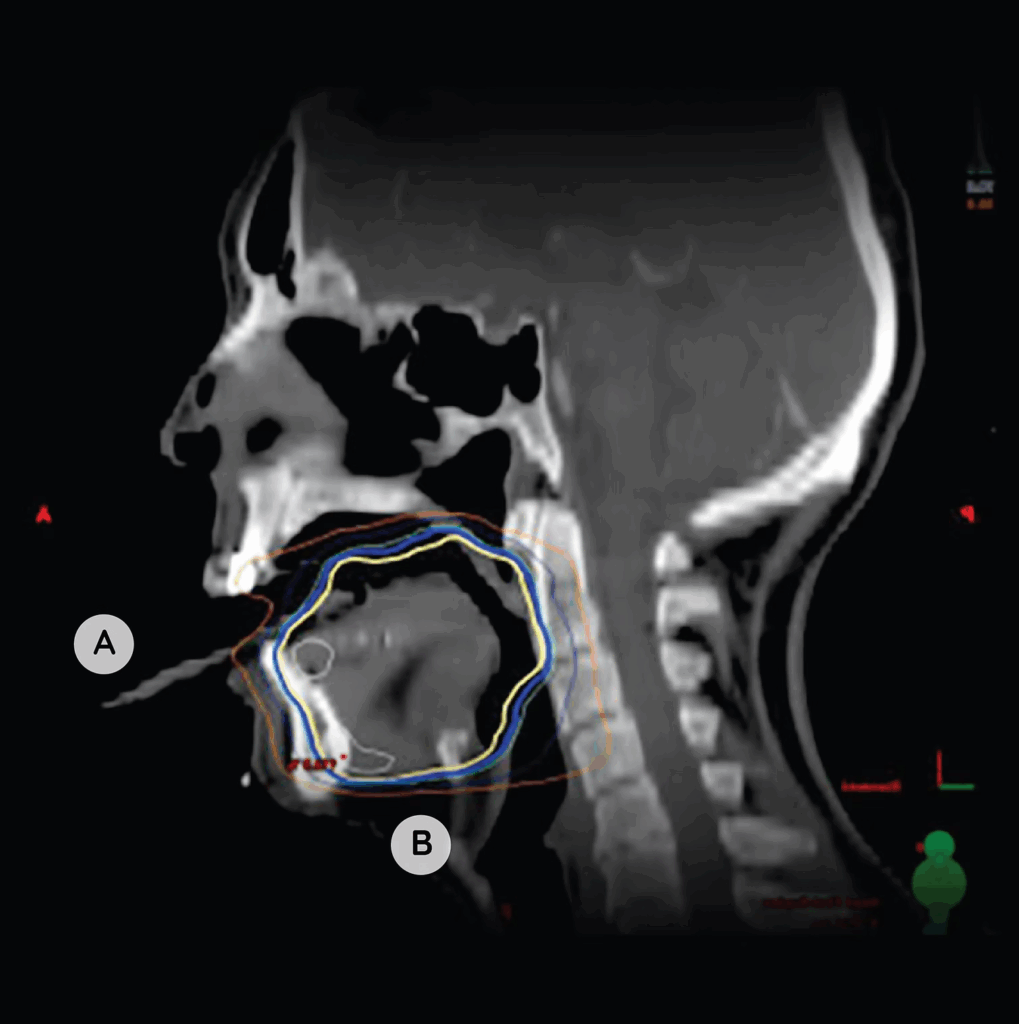
Purpose: The intraoral stent (IOS) is an individualized mouth opening device that can be used during radiotherapy (RT) for head and neck cancer to prevent unnecessary irradiation to normal tissues. The purpose of the present study was to compare the severity of oral mucositis (OM) between patients using and not using an IOS during RT for maxillary and nasal cavity cancer.
Patients and methods: We designed and implemented a retrospective cohort study. The study sample included patients with maxillary and nasal cavity cancer who had undergone RT. The primary predictor variable was IOS application, and the outcome variable was the grade of OM.
Results: The IOS group included 18 patients with an IOS and the control group, 16 patients without an IOS. The parameters of the dose-volume histogram included the median dosage covering 1 mL (D1mL) for the tongue and the mean dosage. The D1mL (36.2 vs 65.4 Gy) and mean dosage (4.9 Gy vs 25.9 Gy) were both significantly lower in the IOS group than in the control group (P < .005). The incidence of OM using the National Cancer Institute Common Terminology Criteria for Adverse Events, version 4.0, were significantly different between the oral stomatitis grade and the use of an IOS (P = .028). A significant difference was found in opioid use between the IOS and control groups (P = .009).
Conclusions: The use of an IOS decreased the radiation dosage to the tongue, the grade of OM, and opioid usage during RT.
Copyright © 2020 American Association of Oral and Maxillofacial Surgeons. Published by Elsevier Inc. All rights reserved.